
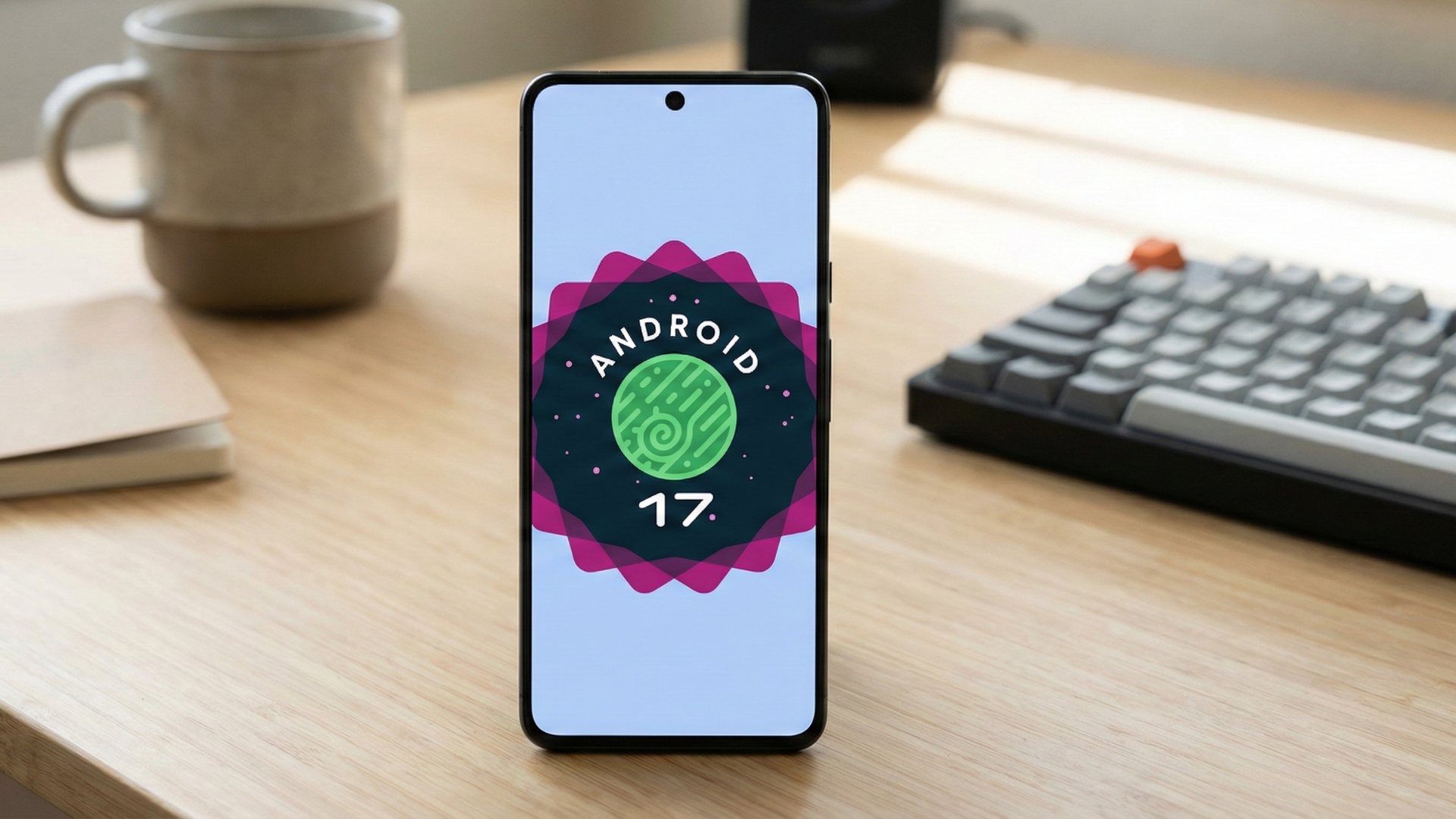
Google has begun distributing the first Android 17 Beta 1 build to eligible Pixel phones, ushering in not just a new version of its mobile operating system but also a changed approach to how Android updates are developed and released.
In a break from tradition, this beta arrives without the usual Developer Preview stage. Instead, Google has leaned on its recently introduced Canary release channel, which runs continuously in the background and delivers early builds to testers. This change aims to speed up iteration and give developers and early adopters access to new features and APIs sooner.
New Release Process: Canary First
Until now, Android’s development cycle typically began with developer previews, which required manual installation and were intended mainly for app creators. With Android 17, Google is replacing that phase with the Canary channel — a stream of automatically updated pre-release builds. According to Google, pushing builds earlier through Canary allows for longer real-world testing, helping catch bugs sooner and resulting in a more polished beta release.
What’s Different in Android 17
Beyond the changes in the rollout strategy, Android 17 introduces several notable improvements and shifts in focus:
- Adaptive App Behaviour: Apps targeting the new API level will be expected to automatically fill wider screens, benefiting devices like tablets and foldables. Support for older styles that didn’t adapt fluidly to larger displays is being phased out.
- Performance Enhancements: Google has included optimisations to enable smoother animations, reduce CPU usage, and better manage system resources. These changes should translate into a more responsive experience on everyday devices.
- Media and Camera Updates: New media APIs improve how cameras switch between modes, reducing stutters and freezes mid-capture. Android 17 also brings updated audio tools to manage volume across apps more consistently.
- Refined UI Elements: While not as dramatic as past Android redesigns, subtle interface refinements and notification tweaks help make the system feel more polished.
Who Can Try It — and How
The Android 17 Beta is now live for a wide range of Pixel devices, including models from the Pixel 6 series onward. Users who participate in the Android Beta Program can install the update directly from the system settings — no complex flashing tools are needed.
Keep in mind the software is still a work in progress: bugs and instability are normal in a beta build, so it’s best suited to enthusiasts, developers, and testers.
Looking Ahead
Android 17 is expected to continue progressing through beta updates before reaching a stable public release later in 2026. With the Canary-first strategy now in place, Google seems determined to streamline the development cycle and reduce surprises for app makers and users alike.