
Internet freedom in 2026 is under increasing pressure. While global connectivity continues to expand, restrictions on online expression, privacy, and access to information are tightening across many regions.
The modern internet is no longer just a tool—it’s a battleground for digital rights, political control, and economic power.
What Is Internet Freedom?
Internet freedom refers to the ability of individuals to:
- Access information without restrictions
- Express opinions online freely
- Communicate privately without surveillance
It is a core component of modern democracy and human rights.
Global Internet Freedom Rankings (2026)
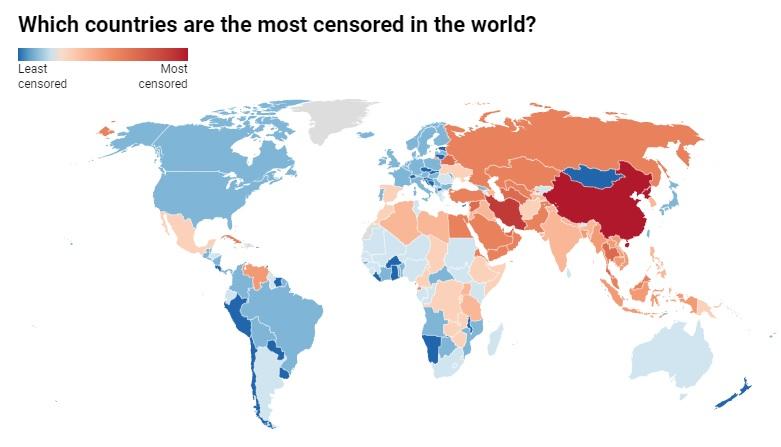
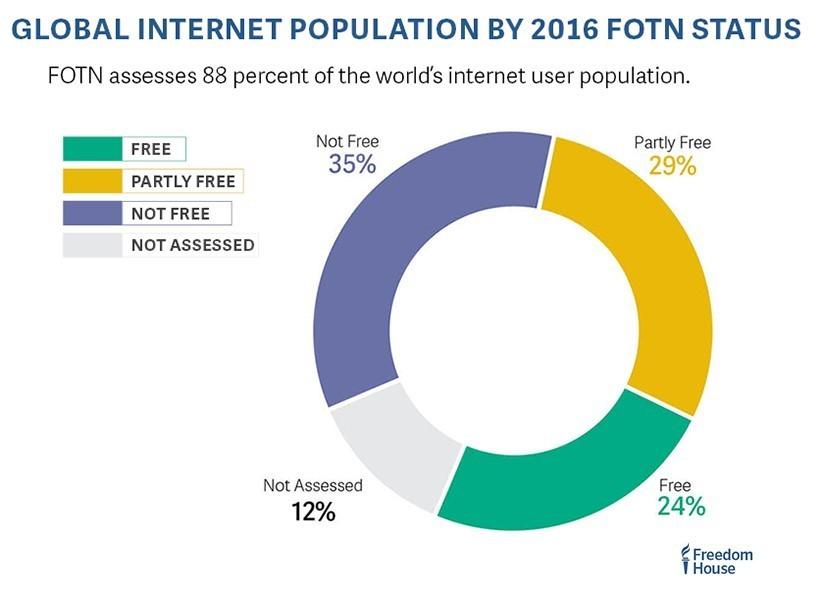
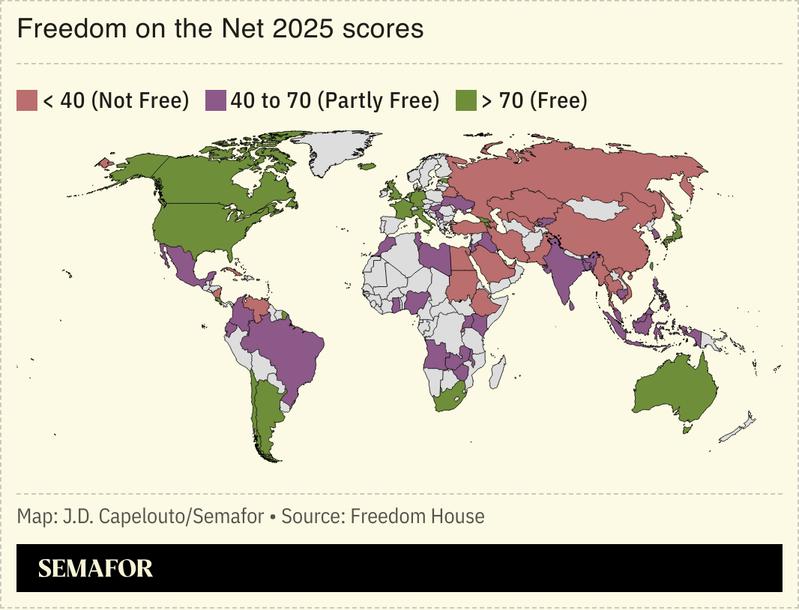
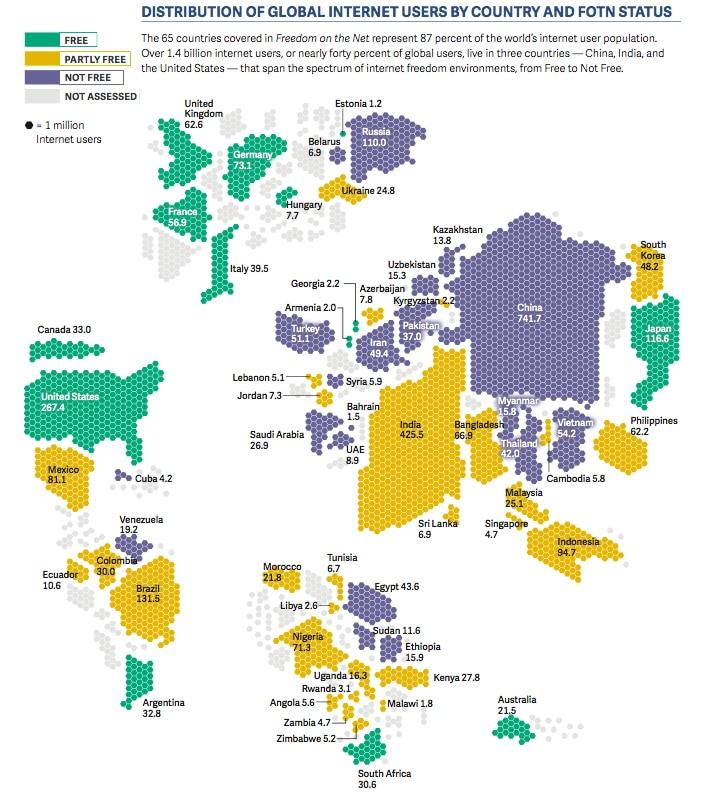
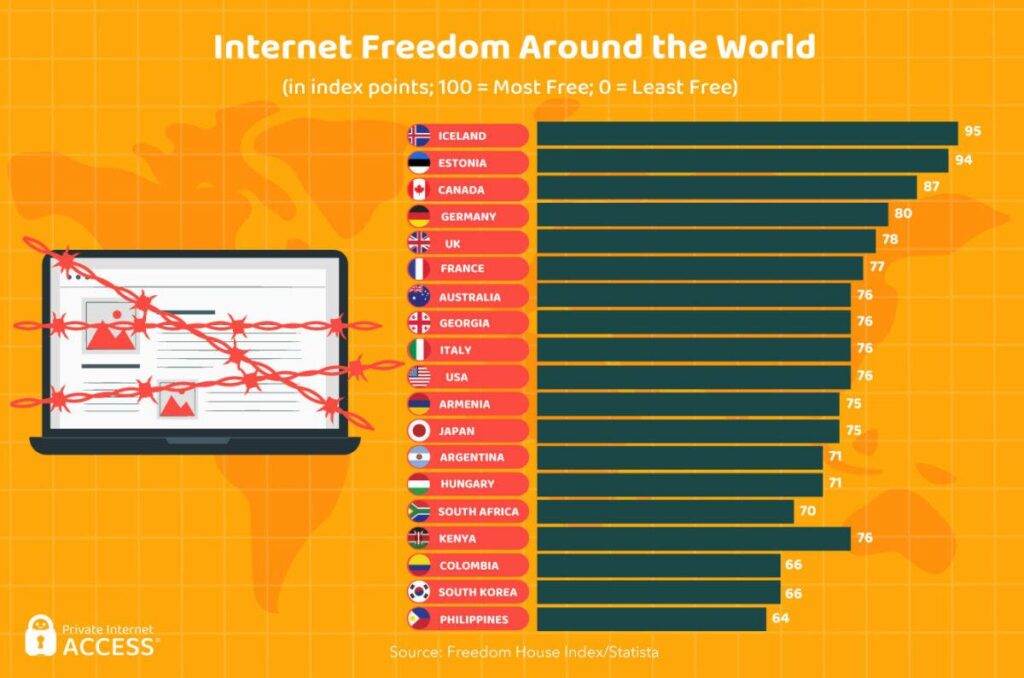
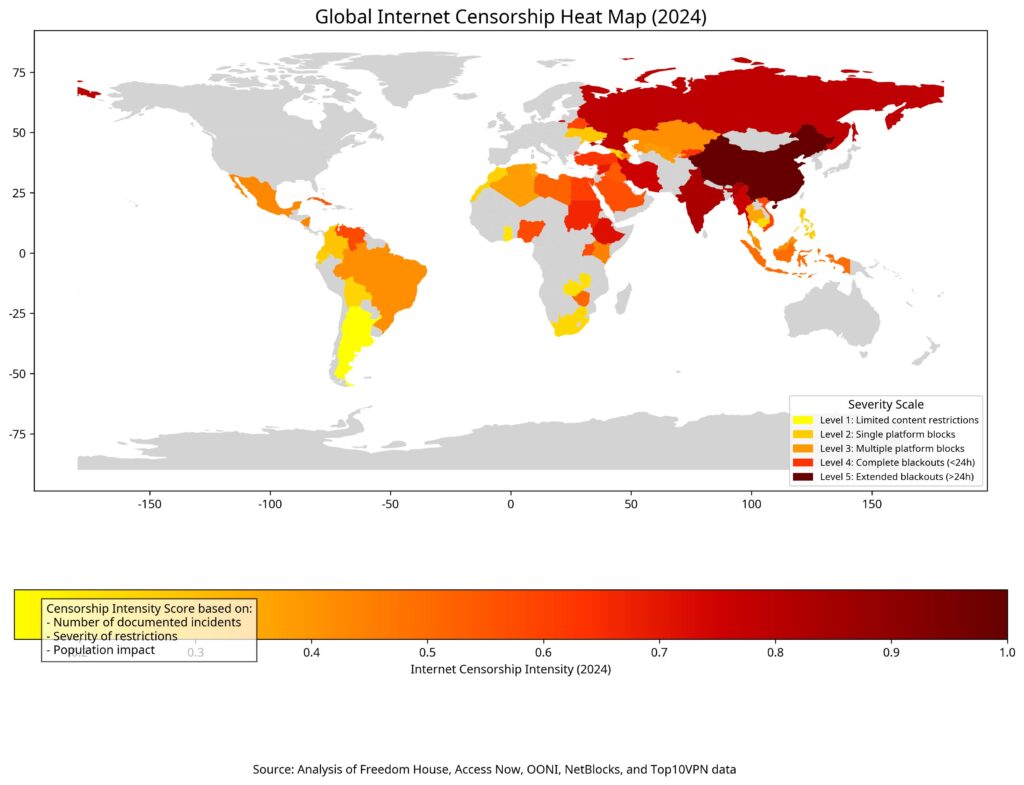
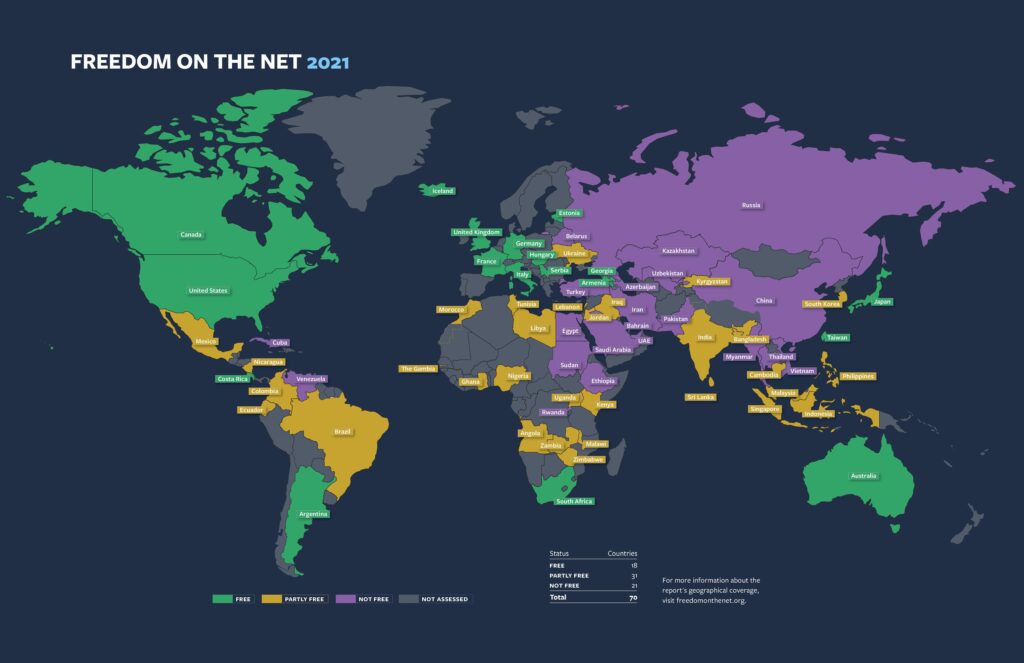
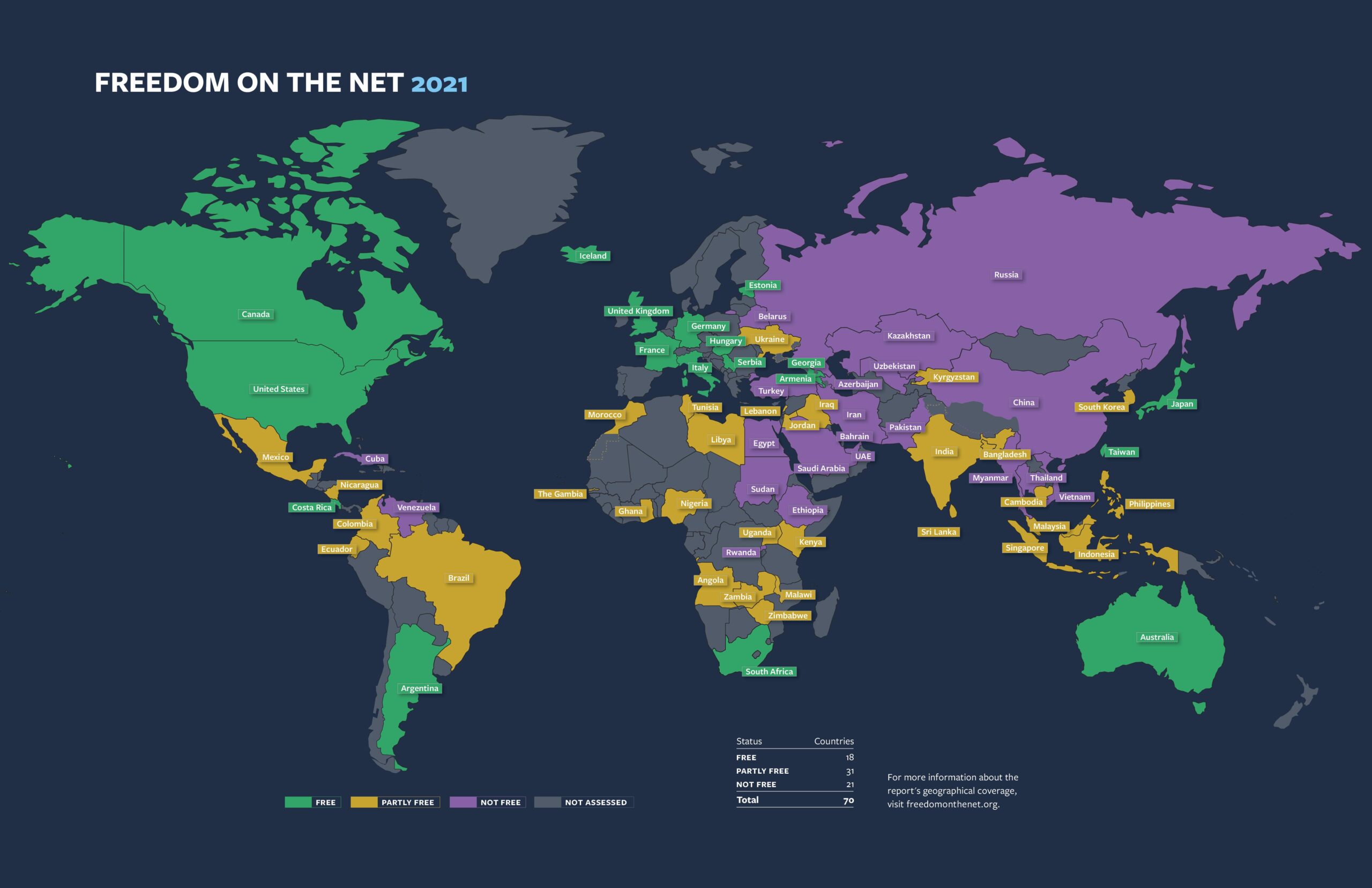
Based on global research and recent trends, internet freedom varies significantly:
✅ Countries with High Internet Freedom
- Iceland
- Estonia
- Canada
- Germany
These countries maintain strong protections for free speech, user privacy, and open access.
Moderately Restricted Countries
- India
- Brazil
- Mexico
These nations allow internet access but enforce regulations, content moderation, and occasional restrictions.
Countries with Low Internet Freedom
- China
- North Korea
- Iran
- Russia
These regions have strict censorship, surveillance systems, and limited access to global platforms.
Key Trends in Internet Freedom (2026)
1. Rise of Government Surveillance
Governments are increasingly deploying:
- AI-based monitoring
- Facial recognition systems
- Data tracking technologies
While often justified for security, these measures raise serious privacy concerns.
2. Growing Internet Censorship
Many governments now regulate:
- News platforms
- Social media content
- Political discussions
Laws targeting “fake news” are sometimes used to silence dissent.
3. Internet Shutdowns on the Rise
Temporary shutdowns are used during:
- Elections
- Protests
- Political unrest
These disruptions affect communication, businesses, and emergency services.
4. Power of Big Tech Platforms
Major tech companies influence:
- What content is visible
- How information spreads
- User data privacy
Their policies play a critical role in shaping global internet freedom.
Regional Overview
Europe & North America
High levels of freedom, but increasing regulation around privacy and AI.
Asia
A mixed landscape—ranging from open democracies to tightly controlled digital environments.
Africa
Rapid internet growth, but concerns over shutdowns and political control remain.
Middle East
Significant restrictions on political and social content.
Latin America
Generally open, though misinformation and political interference are rising challenges.
Frequently Asked Questions (FAQ)
What country has the most internet freedom in 2026?
Countries like Iceland and Estonia consistently rank highest due to strong digital rights protections.
Is internet freedom declining globally?
Yes. Global trends show increasing censorship, surveillance, and regulatory control in many regions.
Why is internet freedom important?
It supports:
- Freedom of speech
- Access to information
- Economic growth
- Human rights
🚀 Future of Internet Freedom
The future depends on how governments, organizations, and tech companies balance:
- Security vs. privacy
- Regulation vs. freedom
- Innovation vs. control
Emerging technologies like AI will play a major role in shaping this balance.