
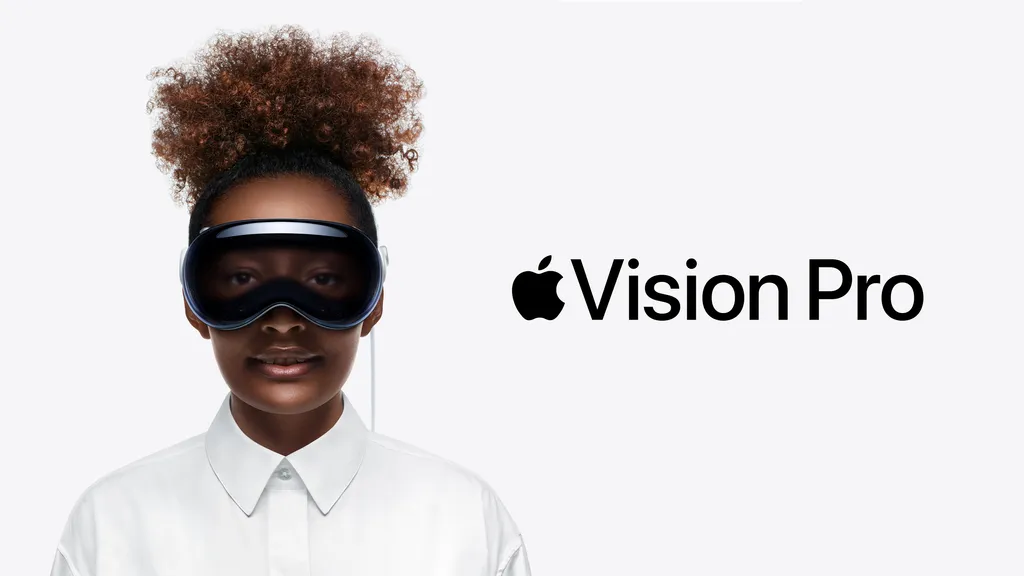
On February 2, 2024, Apple made history by releasing its much-anticipated mixed-reality headset, the Apple Vision Pro — a device the company boldly termed its first “spatial computer.” Two years on, this groundbreaking product continues to be emblematic of Apple’s vision for the future of interactive computing, even as its market journey has proven to be both pioneering and challenging.
The Apple Vision Pro Launch: What Made It Special
The Vision Pro was first introduced in June 2023 at Apple’s annual Worldwide Developers Conference before launching in the United States on February 2, 2024.
At launch, the headset combined several cutting-edge technologies: dual micro-OLED displays with roughly 23 million pixels, advanced sensor arrays, and a unique blend of gesture, eye-tracking, and voice controls. It ran on visionOS, a new operating system designed specifically for spatial experiences — bringing apps, entertainment, productivity, and immersive content into a mixed-reality environment.
Reviewers praised the Vision Pro’s visual fidelity, gesture controls, and technically ambitious design. Early adopters viewed it as a platform that could ultimately redefine how we interact with digital content — beyond flat screens and traditional interfaces.
Market Reception and Early Adoption Trends
Despite the strong initial buzz, Vision Pro’s market performance has been mixed. The headset was priced at $3,499, firmly positioning it as a premium device. While this set expectations high among Apple enthusiasts, it also limited broad consumer adoption.
Reports in early 2026 suggested that Vision Pro was still “failing to catch on” with mainstream buyers, with factors such as price, limited app ecosystem, and comfort challenges often cited as barriers.
Production adjustments followed, with Apple reportedly slashing both manufacturing and marketing efforts amid softer demand — reinforcing the perception that the device was appealing primarily to a niche audience rather than the mass market.
Upgrades and Hardware Refresh
In response to both user feedback and internal development goals, Apple introduced a hardware update featuring the newer M5 chip. This revision aimed to deliver improved performance, higher refresh rates, and better responsiveness — while maintaining the Vision Pro’s premium price tag.
The updated Vision Pro also introduced the Dual Knit Band, designed to enhance comfort — a key area of criticism for early users. Although the core mixed-reality features remained the same, these refinements signaled Apple’s commitment to refining its spatial computing platform.
Apple Vision Pro Roadmap: Evolving Ambitions
Initially, Apple’s longer roadmap reportedly included multiple iterations, including a lighter, more affordable headset code-named “Vision Air,” and a full next-generation Vision Pro successor.
However, by late 2025, broader strategy shifts began to surface. Reports suggested Apple paused some headset development to focus on other AR-type products, such as smart glasses — signaling a strategic pivot toward wearables that might appeal to a wider audience.
Rumors about a next standalone Vision Pro 2 — and speculation around Apple smart glasses — continue to float through the industry, highlighting an uncertain but still active future for Apple’s efforts in immersive computing.
The Broader Tech Landscape
Apple’s Vision Pro launch stirred the broader tech community and competition as well. Companies such as Meta, Snap, and Google have been doubling down on mixed reality and smart glasses efforts, often touting lower price points or unique AI integrations.
This competitive pressure underscores the challenges and opportunities inherent in spatial computing. Apple’s entry set a high technical bar — but also raised questions about accessibility, content richness, and platform ecosystem viability in a rapidly evolving market.
What Two Years Later Tells Us
Two years after its launch:
- Innovation is clear: Vision Pro pushed the boundaries of what personal computing could look like.
- Adoption challenges persist: High cost and niche use cases have limited widespread uptake.
- Strategic recalibration is underway: Apple may be redefining its roadmap to balance vision with broader consumer appeal.
As Apple and competitors continue to invest in next-generation AR/VR hardware, software, and tools, the vision of spatial computing remains compelling. What remains to be seen is how quickly and broadly it transitions from enthusiast tech to everyday reality.